Etikettarkiv: Research Mobility

CHARM i Würzburg

Det var strax efter midsommartiden och Europa dallrade i hettan och torkan. Klimatförändringens rekordsommar 2026 hade bara börjat men på färden söderut märktes störningarna i tåg- och busstrafik redan i Malmö. Resan gick till Julius Maximilian-Universitetet i Würzburg (https://www.uni-wuerzburg.de/en/), en gammal kulturstad i regionen Franken (som absolut inte får förväxlas med Bayern). Där bjöd universitetet in till ”Staff-Training for CHARM-EU outgoing coordinators” inom systemet för utbytesstudier och Erasmus lärar- och personalutbyte. Från Åbo Akademi kom vi: två representanter för Fakulteten för Humanvetenskap, dvs. jag själv från kulturämnena (Konstvetenskap) och Petra från beteendevetenskaperna (Psykologi). Som forskare och lärare i Konstvetenskap och Visuella studier var jag inte med som koordinator, utan mera för att möta kollegor och lära mig mera om hur nätverket CHARM-EU (https://charm-eu.eu/) fungerar. Inte var det några svåra saker vi förväntades prata om heller – mest vilka kurser vi erbjuder på engelska i våra ämnen och hur Åbo Akademi och Åbo fungerar som studiemiljö i största allmänhet. Däremot gav mötet många nyttiga inblickar i hur andra universitet i nätverket arbetar.

Würzburg: Marienberg, gamla bron över Main.

Würzburg: Schloss Marienberg, gamla stadsbron över Main.

Würzburg är Frankens andra största stad efter Nürnberg och har drygt 130 000 invånare, alltså ungefär som Lund (mitt alma mater) men betydligt mindre än Åbo. Universitetet grundades år 1402 och har över 25 000 studenter – staden är alltså starkt präglad av universitetet som genom åren spritt sig till många olika byggnader och stadsområden. Själva staden växte fram redan på det gamla frankerrikets tid kring den lokale krigsherrens borg på kullen Leistenberg, där fästningen och slottet Marienberg nu reser sig högt över stadsbebyggelsen. Den första biskopskyrkan på den nuvarande katedralens plats invigdes av den blivande frankiske kejsaren Karl den store (”Charlemagne”) år 788. Från och med den tysk-romerske kejsaren Fredrik Barbarossas tid på 1100-talet och ända fram till 1805 var Würzburg med omgivningar en egen ”kyrkostat” styrd av kollegialt valda furstbiskopar. De sista ”furstliga biskoparnas” barock- och rokokoresidens mitt i staden bär vittne om kyrkans och det dåtida Würzburgs enorma rikedomar. Residenset med sina berömda interiörer och takmålningar är nu ett välbesökt museum (https://www.residenz-wuerzburg.de/) och i delar av byggnaden finns universitetets institutioner för arkeologi, klassiska studier och klassiska språk inrymda.

Vårt möte ägde rum i en mera sentida historisk miljö, nämligen den efterkrigstida amerikanska militärförläggningens personalkaserner och skola, numera lokaler för universitetets Campus Hubland. Dit ut åkte vi på morgonen den 24 juni för inledningspresentationer och de vanliga lära känna-aktiviteterna. En påminnelse: vad är CHARM-EU? Det står för ”CHallenge-driven Accessible Research-driven Mobile European University”. Medlemmar är nio europeiska universitet av varierande storlek. Låt oss räkna upp dem från söder till norr: Barcelona, Montpellier, Eötvös Loránd-universitetet i Budapest, Würzburg, Tekniska högskolan Ruhr Väst, Utrecht, Trinity College i Dublin, Åbo, samt Bergen. Folk från Barcelona, Budapest, Würzburg, Utrecht och Dublin hade slutit upp, förutom vi två från Åbo. Dessutom anslöt sig flera lärare och forskare från våra systerinstitutioner i Würzburg: Psykologi och Konsthistoria.

Under de två dagar som mötet pågick uppstod det förstås många tillfällen att jämföra olika strategier för hur utbytesstuderande bäst rekryteras, tas emot och introduceras till den lokala kulturen och studiemiljön. Att Åbo ligger bra till när det gäller mängden språkkurser och kurser på engelska, liksom de praktiska arrangemangen kring vistelse i Finland, är ganska tydligt. Särskilt de tre unga och entusiastiska representanterna från Budapest vittnade som sina många kontakter med studenter som varit i Åbo och som kommit hem med mycket goda erfarenheter av studierna hos oss. En viktig sak som togs upp är också hur skapandet av internationella online-kurser ökar synligheten för universiteten och högskolorna i nätverket – särskilt de mindre och mera avlägset belägna, som Åbo. Alla lärare och studenter borde gå in och studera CHARM-EU:s lista över distanskurser som studenter från alla våra nio städer kan ansöka om att ta. Kurslistan nås via följande direktlänk: https://charm-eu.eu/learning/educational-offer/course-catalogue/ (eller välj ”learning” på huvudsidan och sedan ”Transnational Online Learning”, TOL).

Bläddrar man i katalogens enkla och lättillgängliga sökverktyg ser man att Eötvös Loránd-universitetet i Budapest är det i särklass mest produktiva: i dagsläget 66 tidigare, pågående och kommande distanskurser av totalt 116. Kurserna behandlar allt från teknisk kemi till ungersk historia. Åbo kommer som god tvåa med 23 kurser, särskilt inom psykologi, genusvetenskap, juridik och marinbiologi. Det finns säkert fler kurser som det ganska enkelt skulle kunna göras distansversioner av, vilket särskilt skulle gynna mindre ämnen.

Floden Main är anledningen att staden finns. Runt omkring höjer sig vinodlingarna.

En extra bonus för mig var att jag nu kunde knyta nya kontakter med kollegor i mitt eget ämne från Würzburg och Dublin. I Würzburg finns Institutet för konsthistoria (Institut für Kunstgeschichte, https://www.phil.uni-wuerzburg.de/kunstgeschichte/) med sex professorer, två honorarprofessorer (närmast motsvarande äldre lektor), två ordinarie lektorer och ett stort antal övriga medarbetare och forskare. Vid Trinity College i Dublin finns Department of the History of Art and Architecture (https://www.tcd.ie/History_of_Art/) med 13 personer i den ordinarie personalen (varav två ”full professors”) och fem postdoktorala forskare. Det kan inte undvikas att man känner sig vemodig när man tänker på Åbo där vi nu reducerats till endast en professor och en lektor i Konstvetenskap, plus en lektor i det näraliggande men ändå annorlunda ämnet Visuella studier.

Förutsättningarna för undervisning i ett förmålsorienterat ämne som konst- och arkitekturhistoria är också helt andra i städer som Würzburg och Dublin. Den nyanställda lektorn Linda Müller från Institut für Kunstgeschichte berättade engagerat om hur hon från dag ett låter nybörjarna studera konstverk och byggnadsdetaljer direkt på plats, t.ex. i det näraliggande residenset. Även i Dublin ligger institutionen för konst- och arkitekturhistoria i omedelbar anslutning till berömda museer och arkiv, t.ex. det där Book of Kells förvaras. Inspirationen vi får från sådana besök är viktiga för Åbo, och jag hoppas att jag kan rapportera om en planerad vistelse på Trinity College i ett senare blogginlägg.
The life-changing 6 months

During my Master’s studies, I come to know about the role of telomerase in cancer and aging. The topic had a deep impact on my mind and, thus, I decided to increase my knowledge in telomerase biology. I approached the Savitribai Phule Pune University. The research grant offered by the University was the first step of my research carrier. This seed funding strongly increased my understanding about the guanine quadruplex formation, and how targeting this structure could inhibit the cancer progression. Eventually, the topic become my PhD research work where I used structure-based drug design approach for selecting the inhibitors and spend time synthesizing porphyrin derivatives. I defended my thesis successfully in 2018.

During this project, I learned that the field of telomerase is still unexplored and is more challenging than what I thought before. Hence, I decided to go further with telomerase. But this time I wanted to understand more about the structure and function of telomerase apart from inhibiting this enzyme. You will be amazed to know that the expression of telomerase is highly, highly regulated and that there is a large number of post-translational modifications this unique enzyme undergoes. Maybe that’s why someone called telomerase the Elixir of Life.

I contacted Prof. Outi Salo-Ahen in the Pharmaceutical Sciences Laboratory (PSL) and Structural Bioinformatics Laboratory (SBL) at the Åbo Akademi University and expressed my interest in continuing the research path. I was excited when she picked my interest and gave me the chance to explore the field.

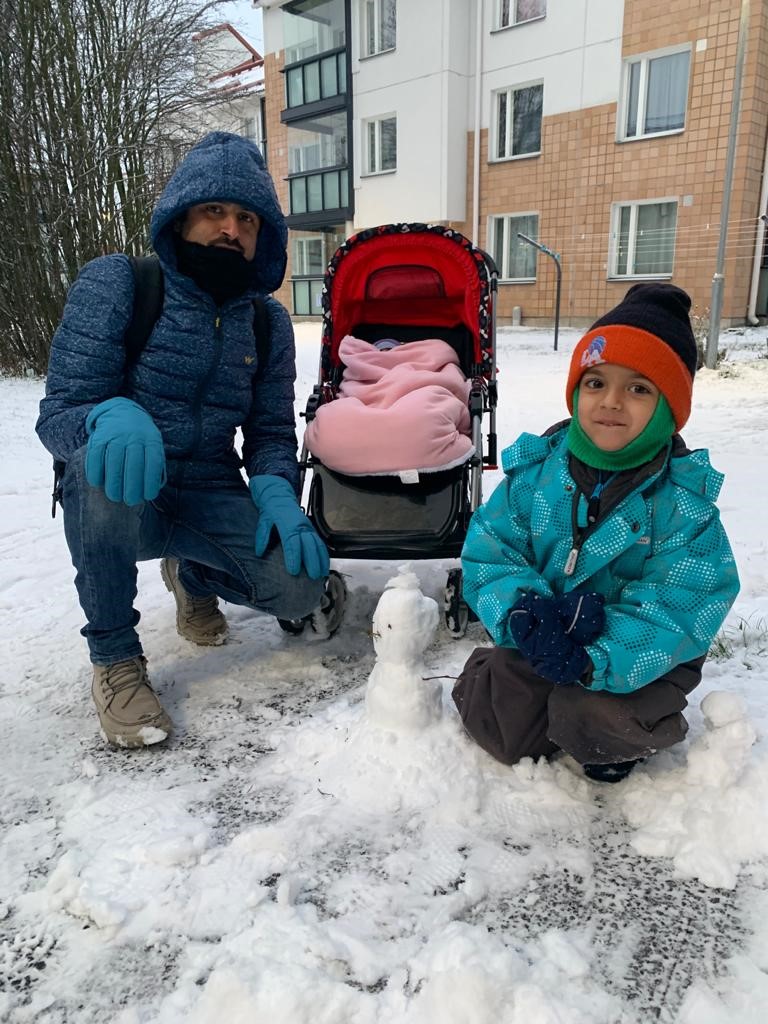
First Scandinavian snow experience

Finland is very respected country in India. Location of the Åbo Akademi University is also unique, the oldest town in the country in the Varsinais-Suomi (Essential Finland) region. I would like to mention that I had a very smooth process in getting the hosting agreement and other documents on time for applying the residential permit. I appreciate the help I received from the personnel at  the Åbo Akademi Research Services and my Professor.

My son with his little ”Olaf”

The newly developed Finnish Immigration Service (Migri) portal for making the residence permit application is also very straightforward and I appreciate the efforts put by the Migri workers.

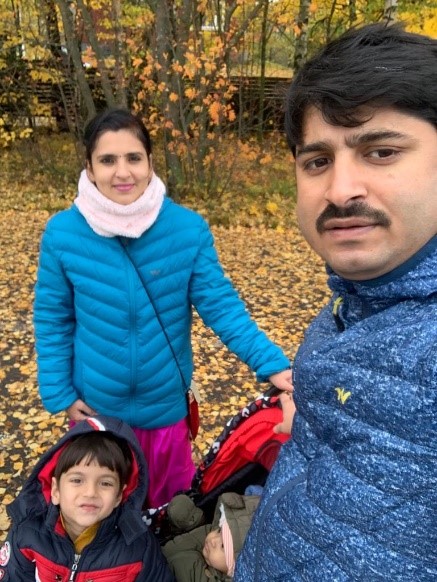
My little world

Moving with the whole family is always challenging and it was a big task to get proper accommodation. I would like to give credit to the Turku Student Village Foundation (TYS) office workers. They are working hard to find proper accommodation for researchers like us. I got both the housing offer and residence permit well advance to book my flight before my planned date to come here. Moving from known to unknown is always mysterious and challenging but the aspiration to achieve a new horizon was so high that these things hardly bothered me when I landed here.

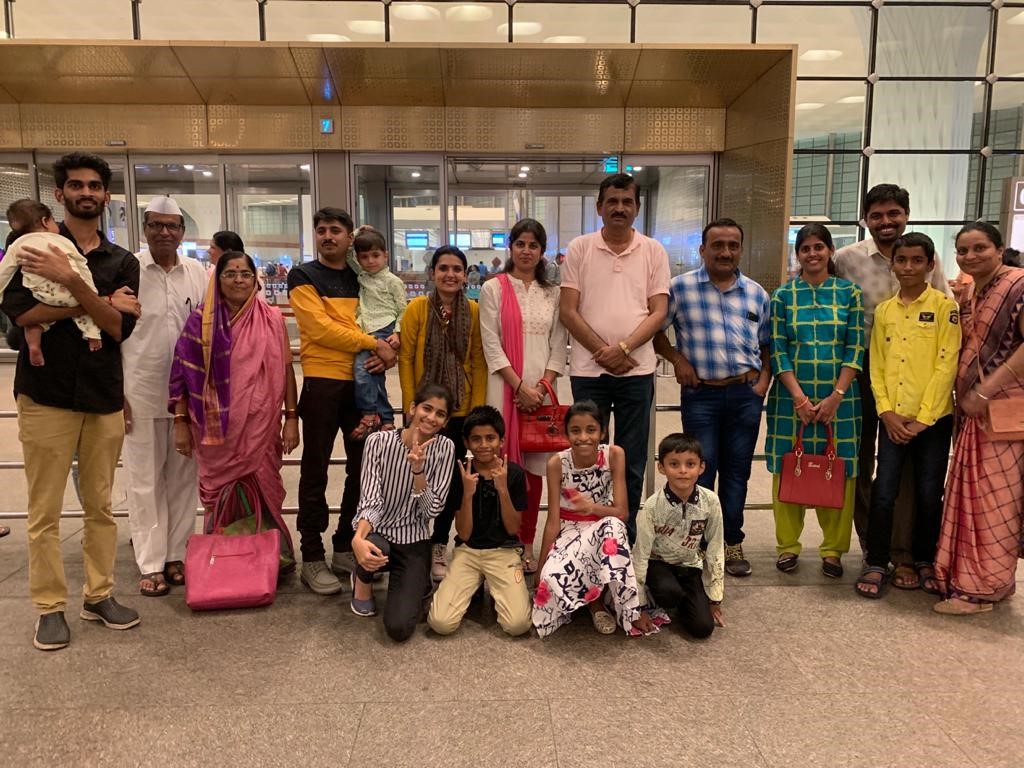
Me and my family at Chhatrapati Shivaji Maharaj International Airport Mumbai

First day in Turku was amazing and confusing, too…In my home region in India we have constant day times but here in September the sun was still high in the sky at 8.00 pm. At home in India we can easily guess the time of the day just by looking into the sky, but here was different. Then a thought came in my mind, “Is this the reason why clocks are always hanging in big towers all over the Europe???”

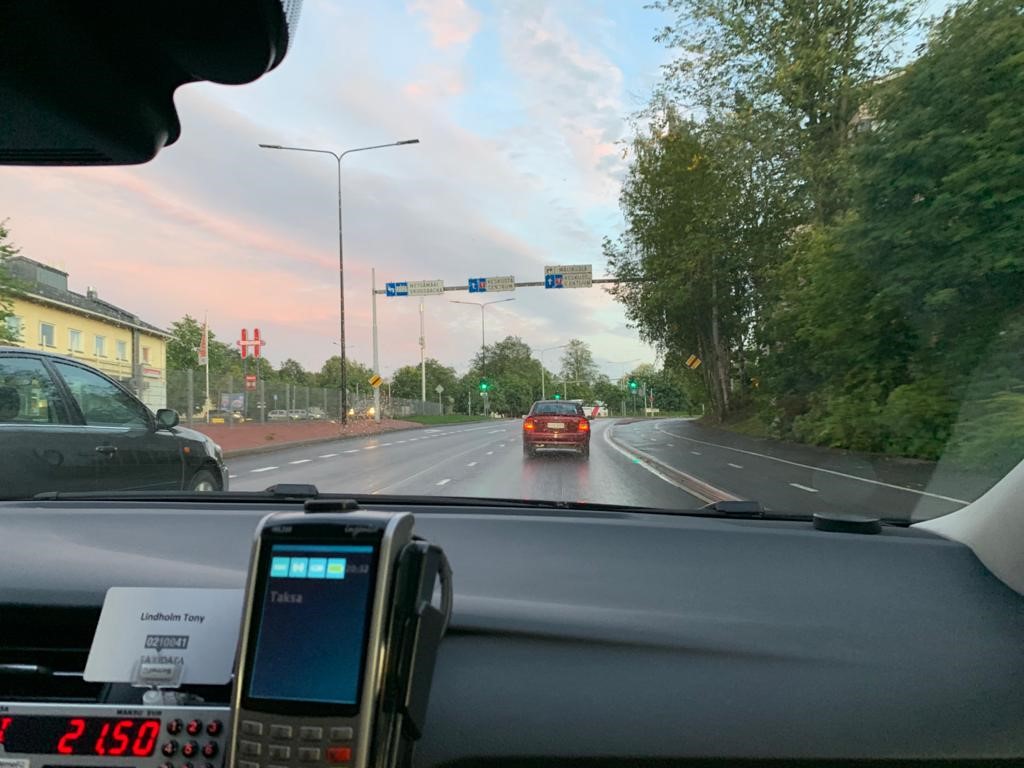
First click while on the way to Turku, Finland

I will always cherish the first day at PSL and SBL, Biocity where I interacted with my Professor and got formally introduced to all. The whole day went in excitement and completing all the formal paper work that was fortunately quite simple and straightforward.

My supervisor and our group

From the next day onwards, I started working on the project where my task was to understand human telomerase reverse transcriptase protein (hTERT). Computational facilities as well as the X-ray crystallization lab of SBL are at the state-of-the-art. Thanks to Prof. Mark Johnson and Adjunct Prof. Tiina Salminen for making these facilities available for us. As the focus of my work was to apply bioinformatics methods and carry out homology modeling, I was also given the access to the computational resources at SBL. SBL is part of the Turku node of the Finnish Instruct National Affiliate Centre (TURKU Instruct-NAC) that provides a platform to facilitate protein structure studies and bioinformatics analysis and collaborates with the Finnish IT Centre for Science, CSC. Through CSC I got experience in working with world-class supercomputers such as Taito and Puhti. I also learned to carry out molecular dynamics simulations with all the state-of-the-art molecular dynamics platforms (Amber, Gromacs, Desmond) to strengthen my understanding in the topic. I was able to successfully complete my bioinformatics studies and molecular dynamics simulation of hTERT homology models.

”कर्मभूमी” My workplace

Since my Professor’s group is part of both PSL and SBL, I was also part of both of these research laboratories. Prof. Jessica Rosenholm who leads the nanomedicine group at PSL helped me attend the NORDIC POP (https://nordicpop.ku.dk) workshops at the University of Oslo, Norway and Uppsala University, Sweden. Both visits increased my knowledge and understanding of my research topic and other related topics. I also witnessed the Scandinavian geography and culture for first time in my life.

Frontiers of Science Seminars – BioCity Turku

CompLifeSci seminars


I was always amazed by the existing co-operation between the Åbo Akademi University and the University of Turku. Due to this I was able to attend many common seminars and workshops, particularly the CompLifeSci seminars (https://www.biocity.turku.fi/research-programmes/computational-and-molecular-methodologies-for-life-sciences-complifesci/) and Frontiers of Science seminars (https://www.biocity.turku.fi/biocityevents/frontiers-of-science-seminars/) in Biocity, which deeply impacted my understanding of various advanced emerging techniques in the field of my research.

Truly speaking, this six-month mobility gave me lot. It became the platform from where my aspiration to do research got new thrust and boost!


From Morocco to Finland – An international research exchange

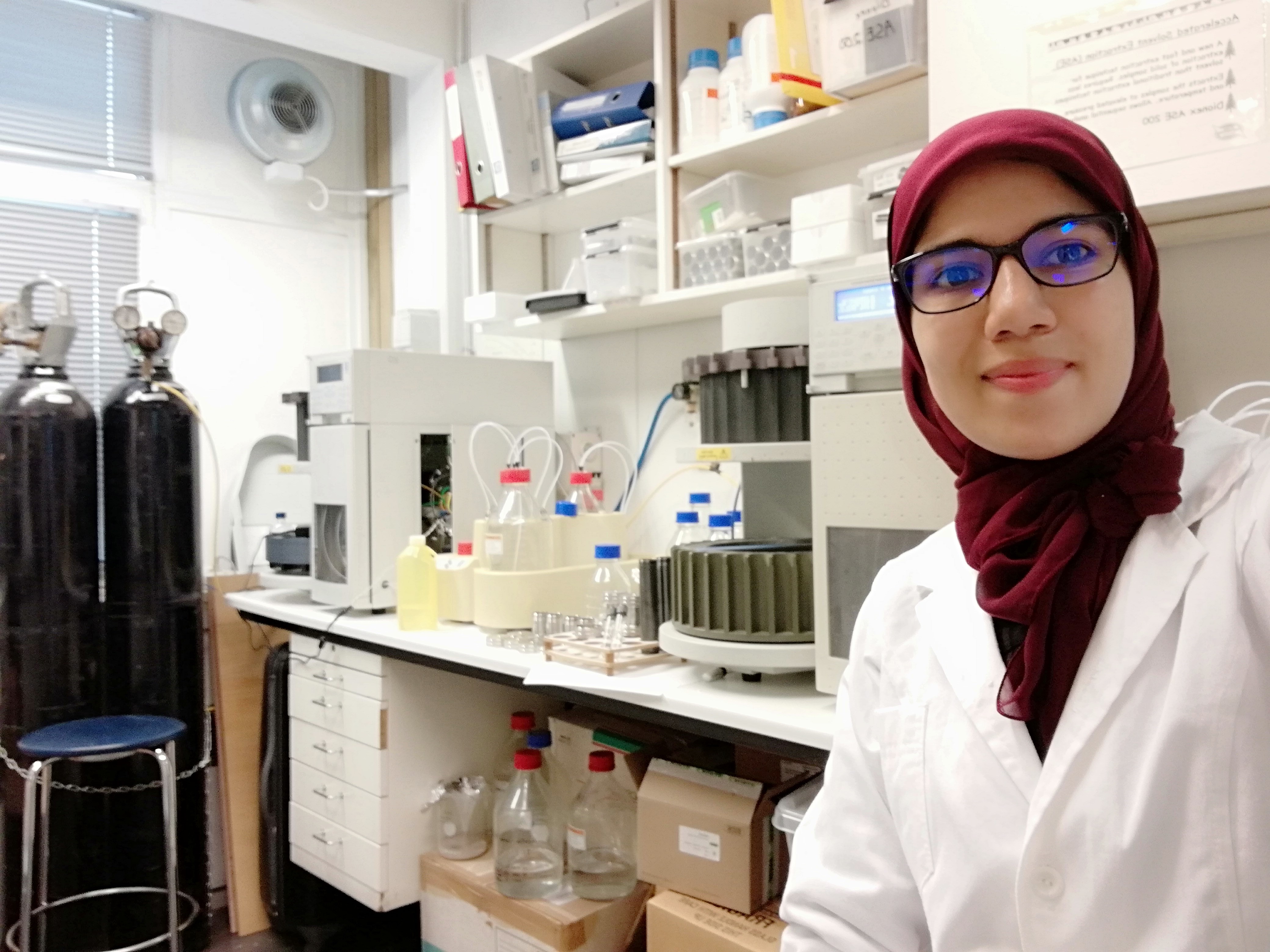
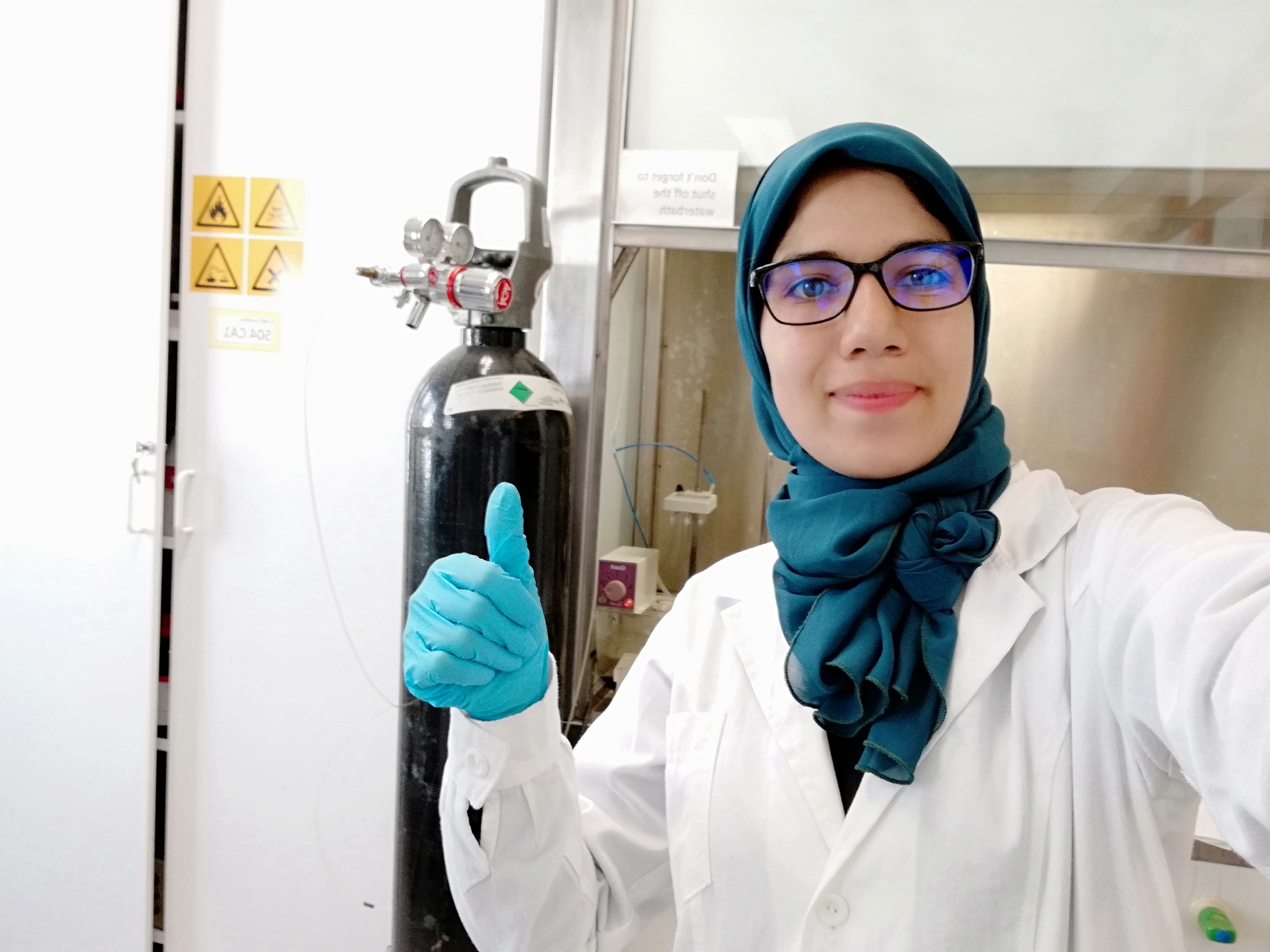
Since August 2019, I have been here at Åbo Akademi University on the Research mobility programme. My name is Maryam El Hajam and I am a researcher from Sidi Mohamed Ben Abdelah University, Morocco. The research project proposed for this visit falls in scope with the activities of Molecular Process and Material Technology. This profile area focuses on chemical engineering and material aspects in the bio-economy, which is connected to the advanced utilization of nature-based compounds in this internationally recognized area of research. Our work combines biomass and inorganic material chemistry, which is in agreement with the goals of this profile area that aim to shift from technologies and products based on fossil sources to novel alternatives built on renewable resources. Therefore, the use of wood residues to produces novel nanocomposites and nanostructured ceramics is not only local but as well, global interest, and it can also be valuable to the finish forest industry. This visit is well fitted with the approach of Molecular Process and Material Technology, which is mainly applied to molecules originating from biomass.

I perfectly know that this opportunity constitutes an advantage on my resume. This visit presents an unprecedented opportunity for any researcher in the world and, more precisely, the Moroccan ones in the field of molecular process and material technology, in search of a unique experience that will strengthen their theoretical achievements and scientific research. This visit allowed me to work and collaborate with a leadership team in the field of wood materials in Finland. Through this visit, I could further my research in this area using different new methods and sophisticated instruments. The impressive reputation of Åbo Akademi University and the quality of supervision of the staff in the Laboratory of Wood and Paper Chemistry allowed me to learn many things such as research methodology, group work, problems resolution, and stress management, which will enable me to integrate the professional life more easily in the future.

International Mobility and Partnership

International partnerships are exceedingly valuable. The key benefit of the two universities partnership related to my visit is collaborative research, which builds capacity in research team members, research staff, and me as a student working on research projects. Through this visit, joint research has allowed maximizing scarce resources more effectively and facilitate greater generalizability of results.

Research mobility presents an integral part of research at ÅA. It is like a windows trough it the university can broaden new relations and collaboration either in hosting or sending researchers. It allows us to foster cross-disciplinary research within Åbo Akademi and to bring together researchers from different countries to learn about the ongoing research activities and to spark new ideas for new international collaborations in the future.

One in five of the world’s scientific papers is co-authored internationally. Because of the expansion of communication methods and the ease of international travel, academics and researchers are finding it easier than ever to collaborate with their foreign counterparts, making the exchange of academic ideas much simpler to organize.

The ability to scrutinize, debate, and share experience are essential for academic and scientific accomplishment. Constructively challenging accepted opinions and ideas is central to their development, and international collaborations through such mobility help to facilitate this.

Åbo Akademi’s institutional strategy is built on internationalization. The main emphasis is on mobility-related actions. For this reason, Åbo Akademi University encourages students and staff to be internationally mobile and appreciates international experience in recruitment.

Living abroad – a complex experience

For me, to live and work in another country was and still is an excellent and exciting adventure. This is my second experience abroad, and I have appreciated it. I have always heard from friends and some of the family members who have lived in other countries that it was hard for them. Whenever we met, they did not end with complaints about the hardness of living there. Fortunately, their claims did not affect my thoughts. On the other side, it made me yearn to live this experience according to my personality and perspectives. Therefore, to make your visit successful, it is your own choice and challenge. It is not so hard, but it needs self-preparation, enthusiasm, and a great curiosity; you should establish your world in another place based on a foreign culture and new people. According to that, you will be able to take advantage and benefit as much as possible of what is available to you, because this opportunity is not given to everyone.  This kind of experience allowed us to be independent, responsible, and especially it can teach us a lot about personal and professional life, how to deal with people in work and outside. In this case, you can know well who you are and what you want. I want to thank “Åbo Akademi University Research Mobility” for the chance that it gave me, because of this program.

This visit makes me much more self-reflective. It strengthens my ability to confront changing environments, and it helps me get to know myself better. I face challenges I have never encountered before. Therefore, this kind of visit helps us to see who we are through the differences and similarities we observe within other cultures and through several situations. It is a real chance for personal growth; it is a study into who you are and what you want. The good thing is, going on this journey does not just help you see these new aspects of yourself, but it also gives you the power to both face changes, and make changes.

When you go to another country, there is usually no other way to communicate than in a language different from your own. You have to use languages that you may not have fully mastered. However, practice makes perfect and improves proficiency. What is more, I do not just improve the languages I already know, I often start learning a new one!

Going abroad for a semester or two is usually linked to an increase in qualities, which employers are looking for. It means you are open to new experiences, you can be independent, and you have at least some intercultural sensitivity (and that last one is especially valuable to international companies). Therefore, it was a personal experiment without any doubt very enriching.

Advise for other researchers interested in an international experience

I advise every person who wants to apply to this program to focus on a good research project with international interest to increase his/her chance to be accepted. The research project should fall in scope with the activities of the laboratory and the area that you will choose in the application.  You should be aware of the existence of the entire instrument you need for your project in the host laboratory and all the facilities that can offer to you during your visit. The most important thing that I can give as advice is to make sure that the proposed project can be done during the stay period; if not, please make it shorter according to the time that will be offered to you to accomplish your work.

I strongly encourage others to take part in this research mobility program because it is an outstanding experience. I´m confident that they will like it and they will learn a lot through it. This experience will be an advantage for their resumes like a professional purpose and their personal life also. For every person like me, who has been prevented by material conditions from traveling abroad for study, research, or tourism, I say this is an excellent opportunity to achieve your dream. The program will offer you a scholarship that will allow you to live in this country and travel around, and maybe it will be a step for another next collaboration.  So, apply for this program and take part in it, don’t waste your opportunity. For interested incoming researchers do not forget, experiencing a sauna is necessary for any visit to Finland!

Learning & researching on the move

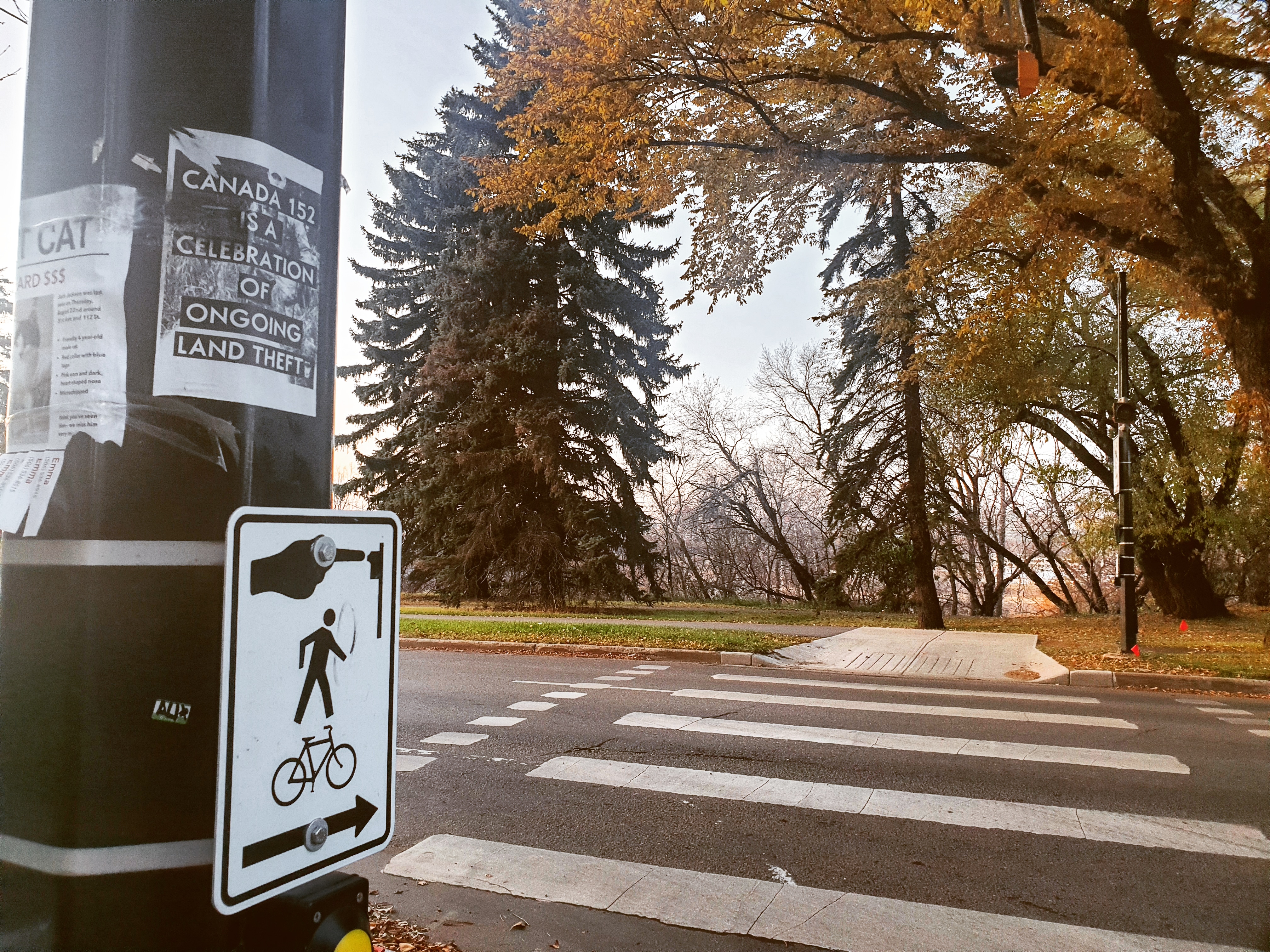
Thanks to the ÅAU Research Mobility Grant, I had the opportunity to be a visiting PhD student in the Department of Sociology at the University of Alberta in Edmonton on Treat 6 Territory, in what is currently known as Canada, between September and December 2019. Being the home of many Indigenous communities, including the Cree, Saulteaux, Nakota Sioux, Blackfoot and the Métis Nation, Edmonton’s traditional name is Amiskwaciy Waskahikan in Nehiyawak (Cree). My main goal there was to work with one of my supervisors, Prof. Shirley Anne Tate, on my research on ‘mixed-race’ identity in Kanaky-New-Caledonia (KNC). As a PhD in the Minority Research profile, the visit allowed me to further explore the ways in which global systems of domination work together to oppress, exclude and disappear Black and Indigenous peoples. As a researcher, I was able to attend a variety of events organized by staff and students at the University of Alberta, such as events organized for the International Year of Indigenous Languages and the Working the Intersections of Gender conference.

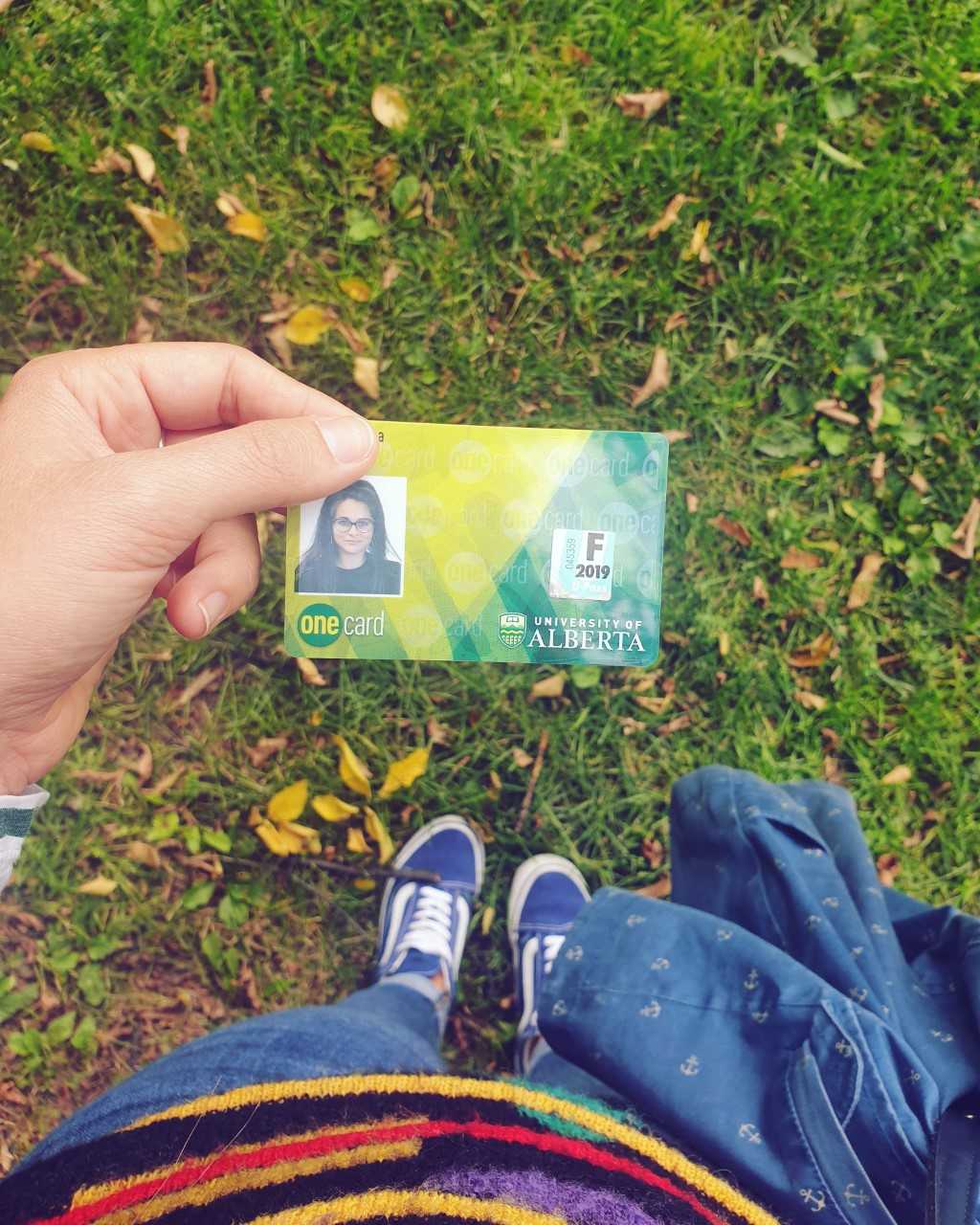
After collecting my student card for the semester

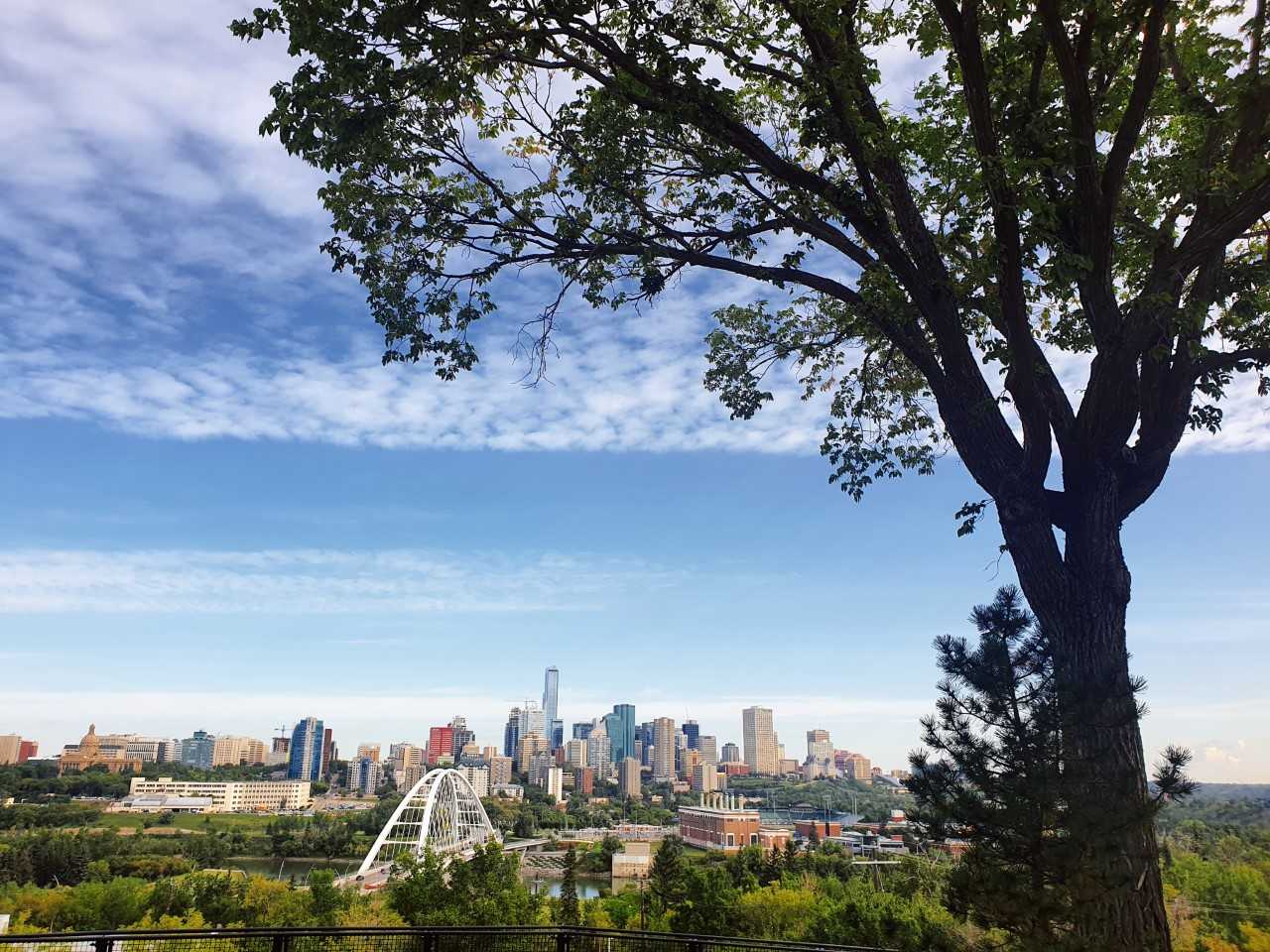
The view of the city on my walk to the university

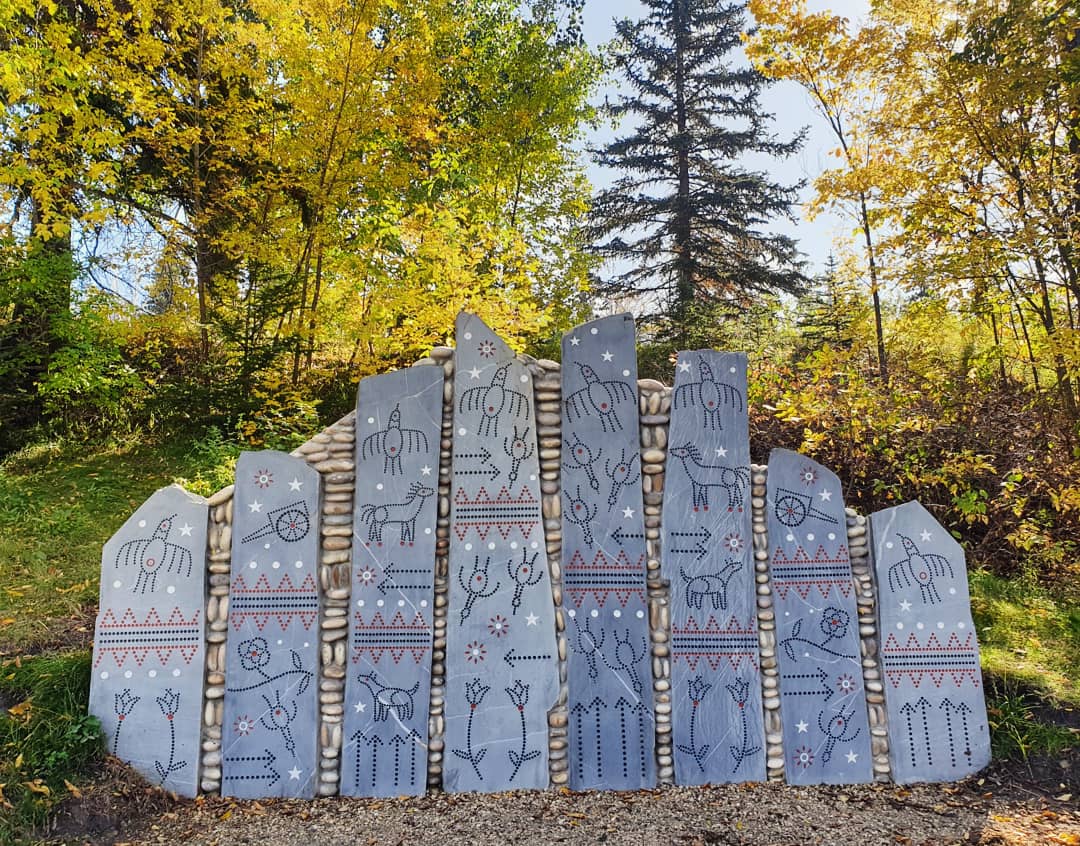
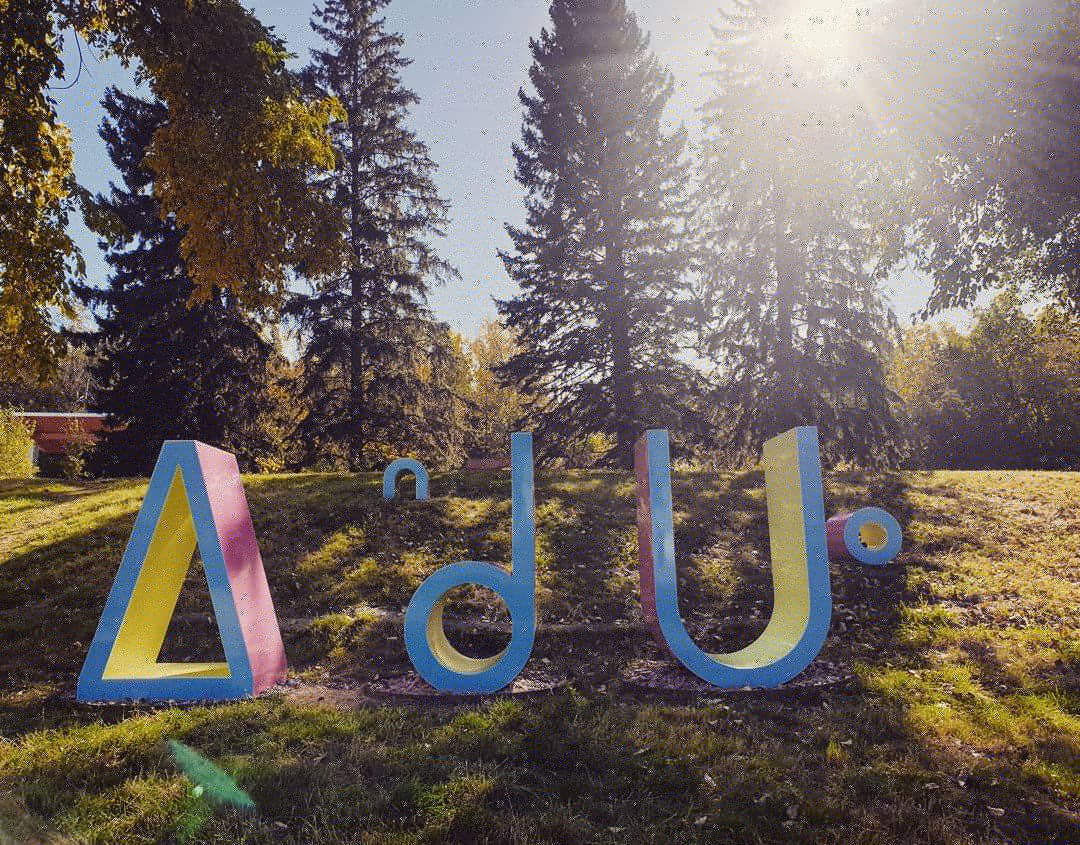
I was fortunate to be able to audit two classes at the university: Studies in Indigenous Theatre, Performance and Politics with Dr Selena Couture, and Colonialism, Postcolonialism and Globalization with Prof Shirley Anne Tate, as well as take a free online class hosted by the Faculty of Native Studies: Indigenous Canada. This allowed me to make links between the issues faced by Indigenous nations in Canada but also the legacy of slavery and ongoing anti-blackness in the Transatlantic region and elsewhere around the globe, with the continuing colonialism and racism predominantly experienced by kanak in Kanaky-New-Caledonia. I also paid attention to the ways in which people resisted settler colonialism within and outside the institution and attempted to make links with settler-Indigenous relations in the Pacific and the struggle for sovereignty in KNC. One such ways is the PÎTOS-MÂMITONEYIHTAMOWIN (REIMAGINE) UALBERTA website which was created “to highlight Indigenous, or perceived Indigenous places, spaces & art located on the University of Alberta North Campus. The website is home to a hub of alternative perspectives around Indigenous or perceived Indigenous statutes, artwork, places & spaces at the University of Alberta”. 

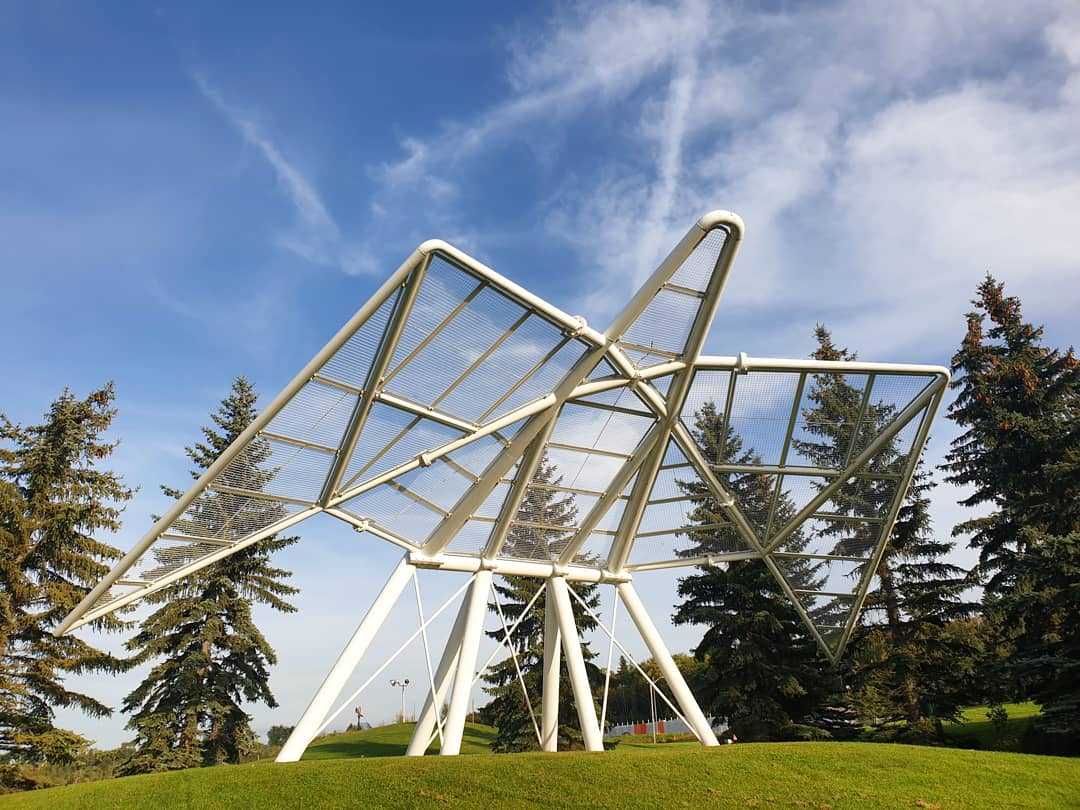
At the ᐄᓃᐤ (ÎNÎW) River Lot 11∞ (click on the link to read a guide written by Mackenzie Brown on Exploring Indigenous Edmonton) Preparing to Cross the Sacred River by Marrianne Nicolson

At the ᐄᓃᐤ (ÎNÎW) River Lot 11∞ Isoktew by Amy Malbeuf

Taking courses was beneficial to my research as auditing a course in the Department of Drama encouraged me to engage with critical work and artistic practices outside of my study area and explore my research topic from a variety of standpoints. In fact, reading Indigenous playwrights and critical pieces on Indigenous theatre and performance on a weekly basis inspired me to write one of the papers for the PhD on the politics of ‘mixed-race’ identity in Jenny Briffa’s “Fin Mal Barrés !”, a local play on independence/referendum politics. It was also beneficial to my teaching practice as it enabled me to observe different pedagogical methods and learn collectively with other postgraduate students and teachers. As a teacher, I appreciated seminars like ”Approaches to the Inclusive Classroom” and the ability to discuss how we can change our practices as teachers in order to facilitate disability justice, anti-racism, anti-colonialism and feminism in the classrooom. As a PhD student, I was happy that ”Writing Bootcamps” were organised by the Faculty of Graduate Studies, which provided us with a booked room, writing tips and food and beverages throughout the day to allow us to focus on writing.

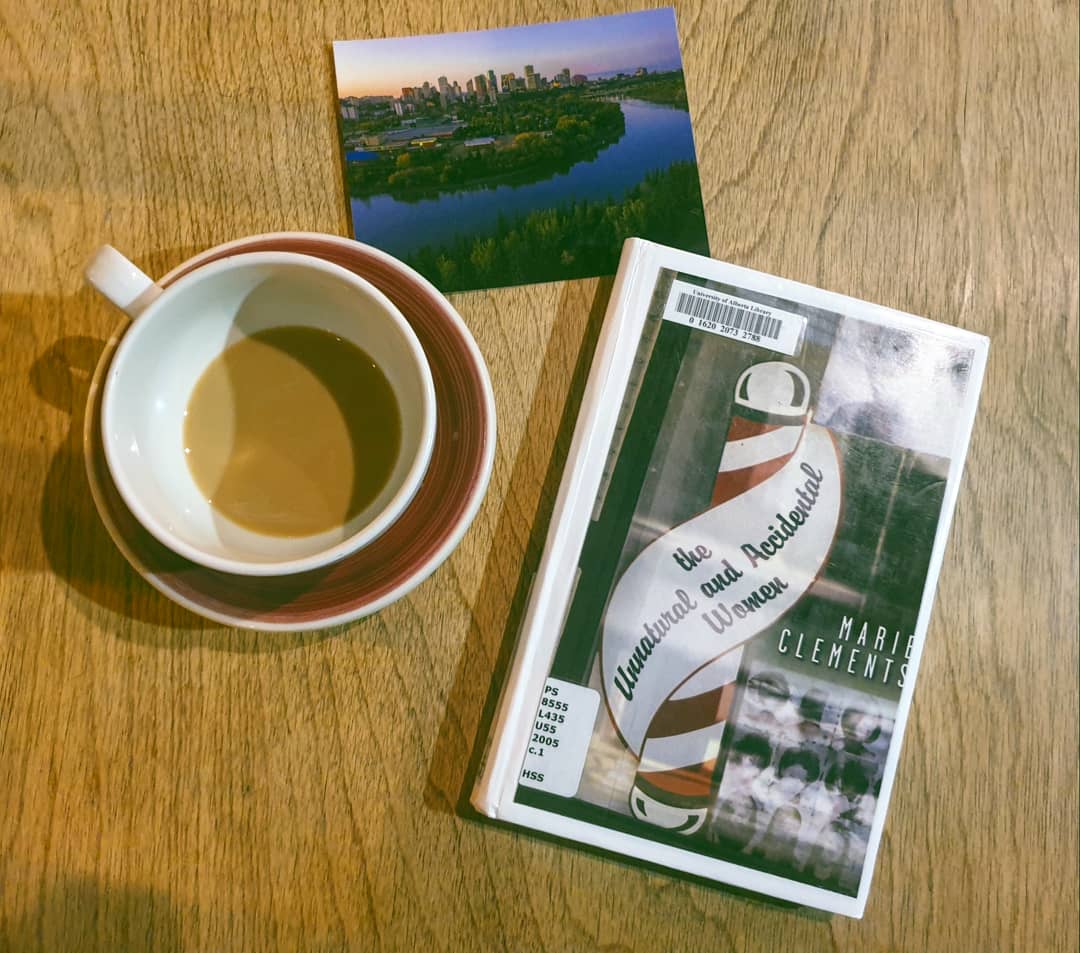
Marie Clements’s play ”The Unnatural and Accidental Women” which we read and saw live as part of the course in Indigenous theatre

The University of Alberta has around 40,000 students and employs more than 14,400 people. Contrastingly, about 5,500 students are registered at Åbo Akademi and the university has about 1,100 employees. This has an impact on the resources allocated to research and the variety of research fields and programmes offered at both universities. Indeed, the University of Alberta library had access to a significant amount material in my fields of interest. Thanks to having access to many journals and books, I was able to read and collect material that I will be using in future articles.

One of the many books I borrowed from the Rutherford library

The view from the Rutherford library once it started snowing

During my stay, I also had the opportunity to present a methods paper in one of the Department of Sociology’s seminars entitled “Accidental (Critical) Ethnography: Doing research on métis-se identity at a time of decolonization in Kanaky-New-Caledonia”. This was a good occasion to share my research process and project, raise awareness on the political stakes in KNC and get feedback on the research.

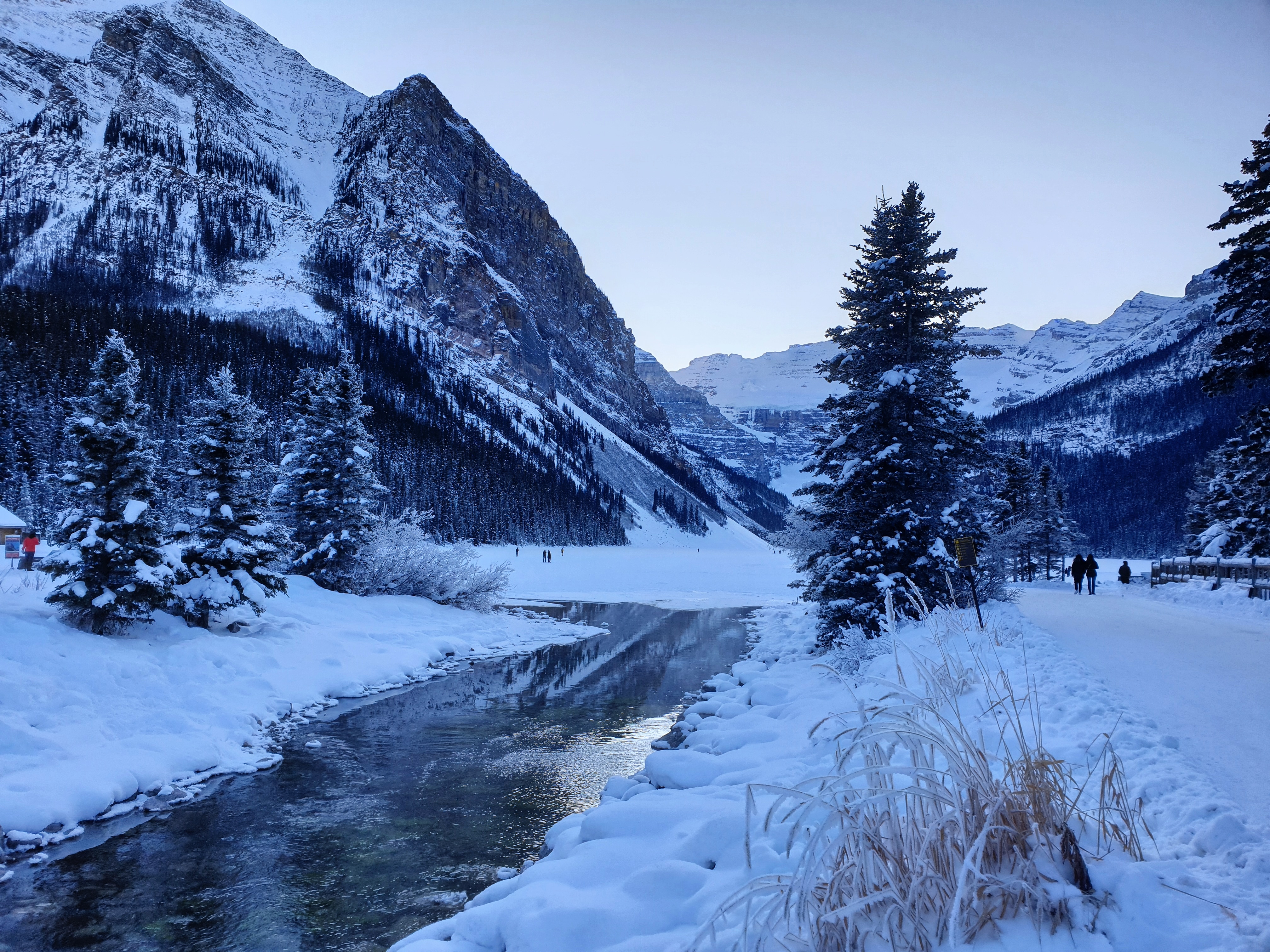
From a personal perspective, I enjoyed being in a larger city (Edmonton is about 5 times bigger than Turku and 1.5 times bigger than Helsinki!) where events were happening on a weekly basis. I went to public readings, standups, art exhibitions, screenings… I had also missed independent (secondhand) bookshops that sell anglophone or francophone literature and came back with suitcases mostly full of books. If Edmonton happened to be much colder than Turku at the beginning of winter, the beautiful Saskatchewan river divides the city in two, much like the Aura does Turku – although, again, there was quite a size difference! While most of my time was spent in the university library or in cafés reading and writing, I managed to make a bus trip to Calgary where I met a friend who drove us to Banff National Park. There, we saw a frozen Ho-Run-Num-Nay (“Lake of the Little Fishes” in Stoney Natoka) also known as “Lake Louise”. I was thankful for the opportunity to see these beautiful landscapes before flying back to Europe.

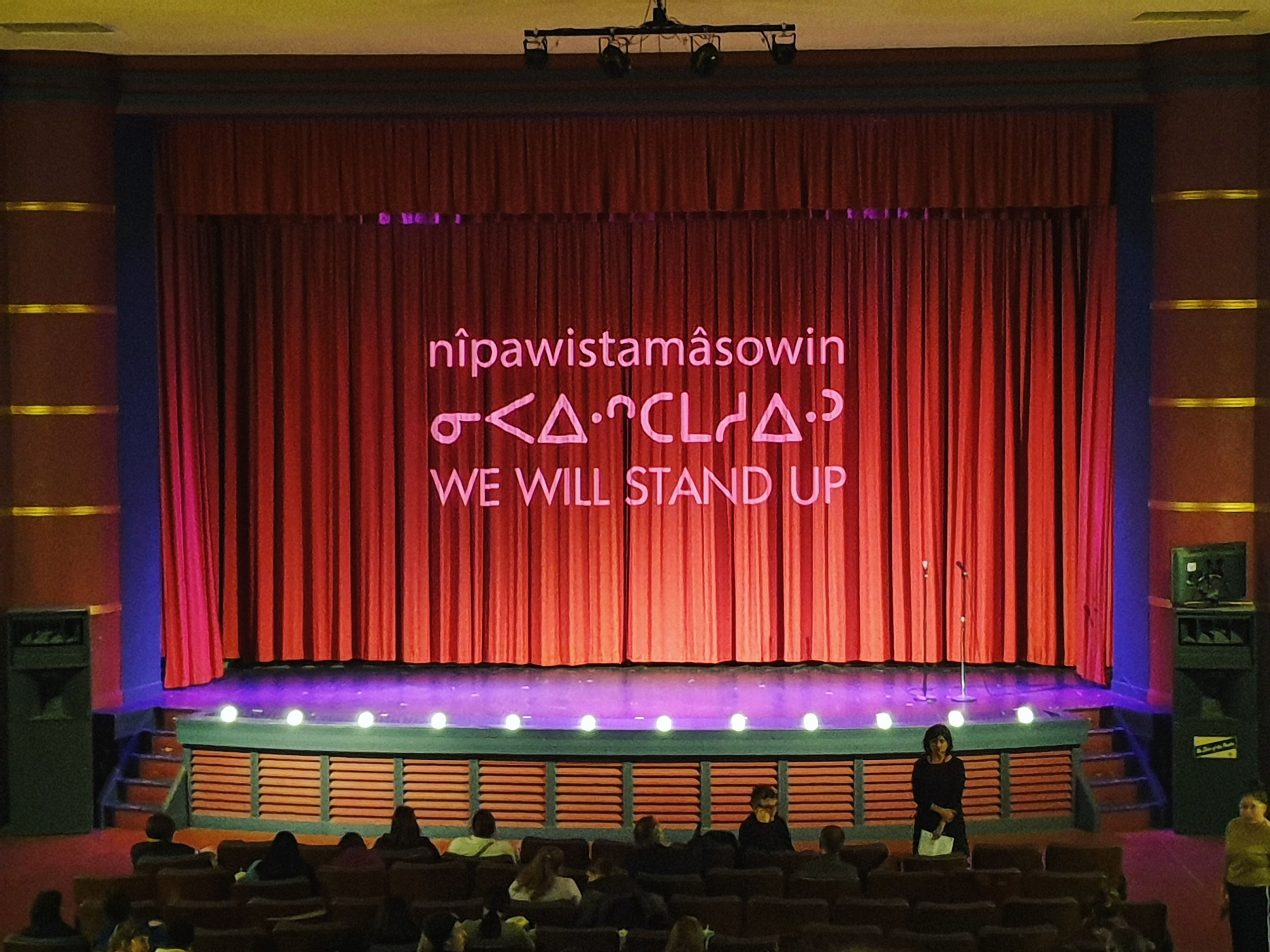
Screening of Tasha Hubart’s documentary ”nîpawistamâsowin: We Will Stand Up” on the racism of the Canadian justice system and Colten Boushie’s family’s fight for justice, at Garneau Theatre.

Banff National Park

At Ho-Run-Num-Nay (”Lake of the Little Fishes”)

Research mobility is an important part of my research as the focus of my study is the Pacific and I am based in Finland. Being able to share your approaches, ideas, process with other scholars and students and to learn from their own research and teaching practice is a real advantage in research. Therefore, research mobility should be accessible to all at ÅAU. As a PhD candidate, I am very aware that accessing this grant was only possible because I am one of the few salaried postgraduate students. Many colleagues do not have this opportunity because they are unsalaried.

The Mobility Grant is a wonderful opportunity to meet scholars in other parts of the world and to be able to make transnational connections. My advice for future applicants would be to pick a university and department(s) that are dynamic in their various fields of interest but that are also lively outside of the university. In my case, the city was very rich in cultural and political events. Also, I would encourage everyone to take the opportunity to learn from other scholars in seminars but also courses offered by the university (even if one is no longer a student!).